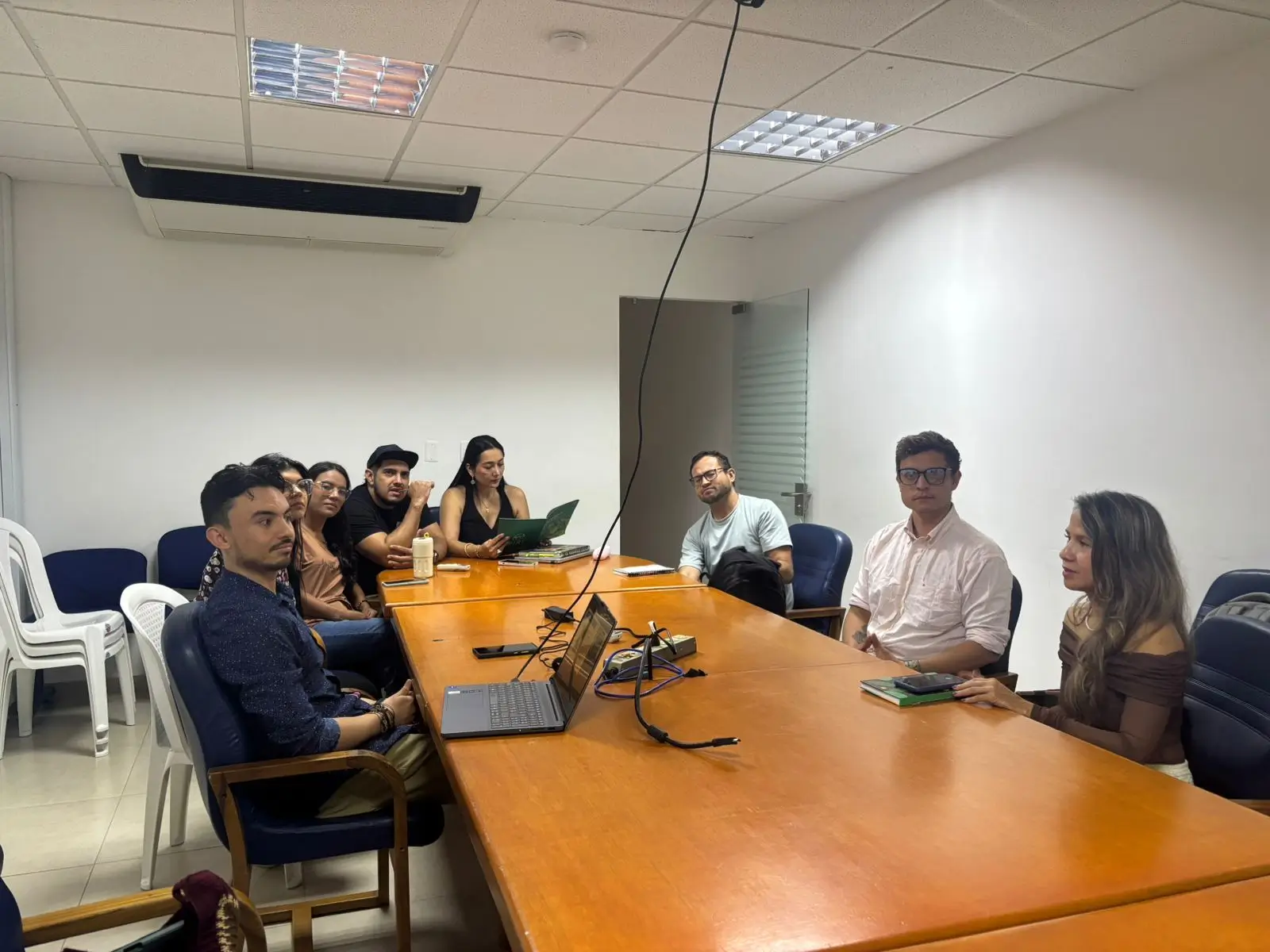
In February, our team travelled to Villavicencio to meet a set of public institutions and technical organisations connected to forests, agriculture, training, and rural development. The purpose was simple: introduce the PIRI REDD project, share our implementation roadmap, and identify where future technical synergies could make sense. These were introductory conversations only. There are no formal collaborations or partnerships in place yet.
A REDD project does not operate in isolation. Long-term success depends on strong local governance, credible safeguards, and practical support for livelihoods. That is why we invest early in transparent outreach and in understanding what institutions can and cannot offer in the territory.
SENA (National Learning Service)
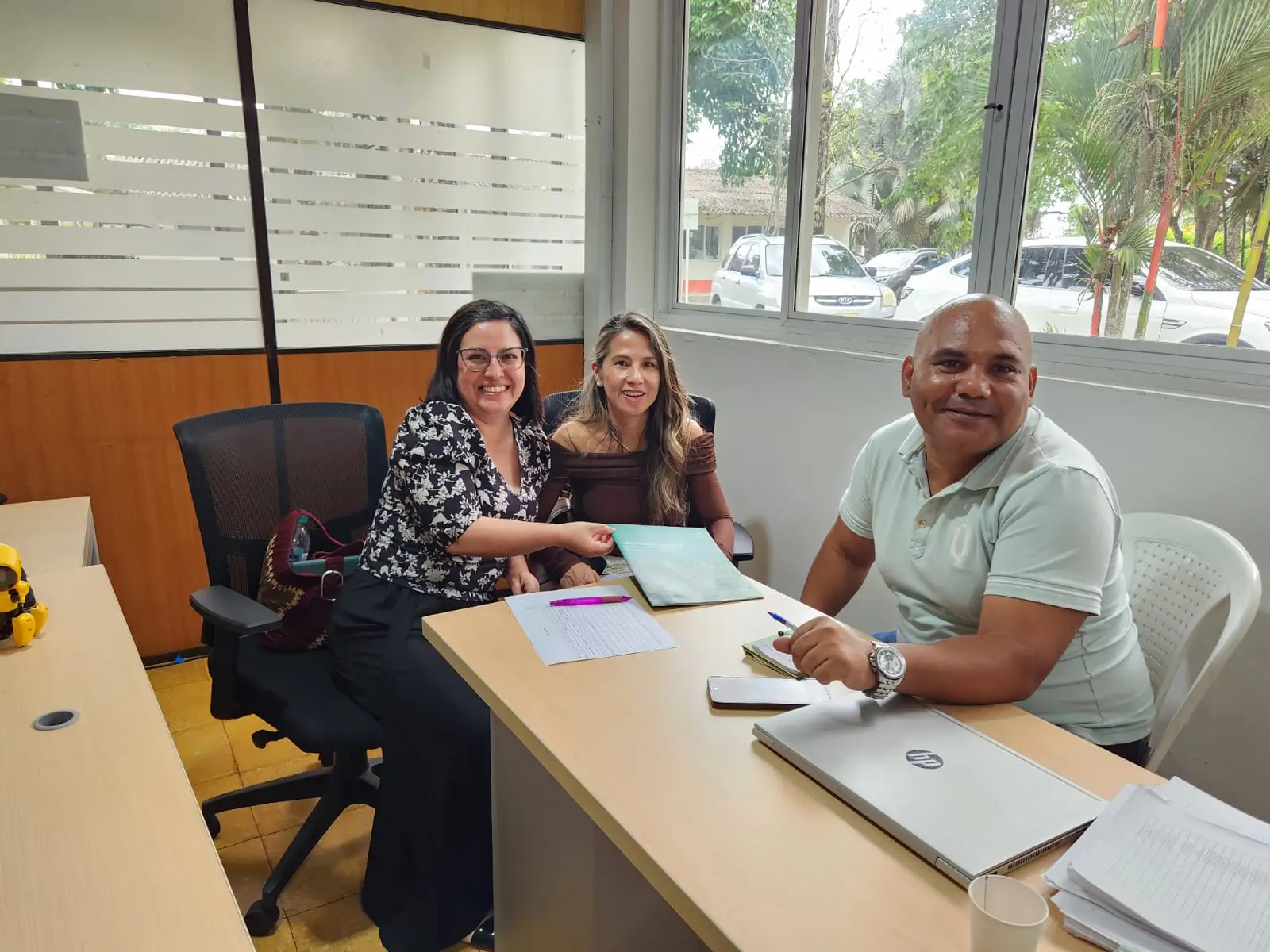
The focus of this meeting was capacity building. We reviewed SENA’s training offer and discussed how training lines, skills certification, and technical support could strengthen community priorities, including sustainable production initiatives and community enterprises. SENA explained that it can adapt training to rural contexts when there is clear coordination with communities and local organisations, and confirmed willingness to work within the framework of our project.
Any future training depends on practical conditions, including community willingness to receive trainers and having enough participants to open a training slot. The next step is to present the available courses in Puerto Trujillo, agree with participants which ones match local priorities, and determine which training could start before the end of Q2. If there is interest, PIRI will submit a formal request to SENA and initiate the process.
Unillanos (Universidad de los Llanos)
With Unillanos, we explored the potential to connect academic expertise with the project’s operational reality. The discussion focused on aligning future support for productive activities with the agricultural dynamics already present in the territory, and on building a stronger social and applied research component through participatory rural extension.
A preliminary pathway was outlined: formulate outreach proposals around the three productive lines prioritised by the community and the project, define diagnostic and technical support needs, structure proposals with professors to clarify resources and timelines, and then present them to Unillanos with the aim of starting first activities in the second semester of 2026. There is no agreement in place yet.
Meta’s Forest Roundtable (Mesa Forestal del Meta)
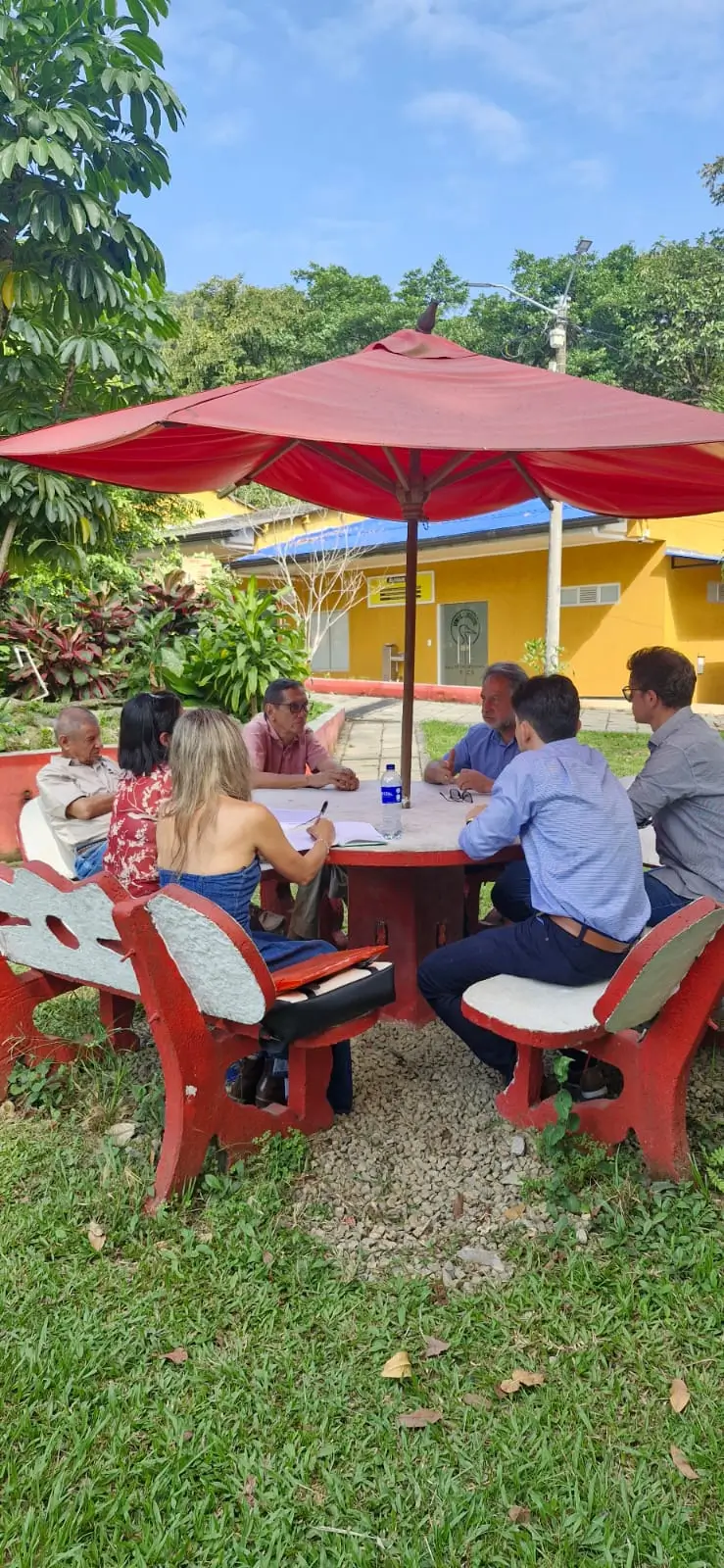
We met with the Meta Forest Roundtable, a platform that brings together a range of forest stakeholders across the department. The goal was to present the PIRI REDD project, build relationships, and open a channel for future information exchange. One concrete idea raised was sharing cacao experience from other areas of Meta to Puerto Trujillo, to be explored after the productive systems workshop.
Other introductory meetings
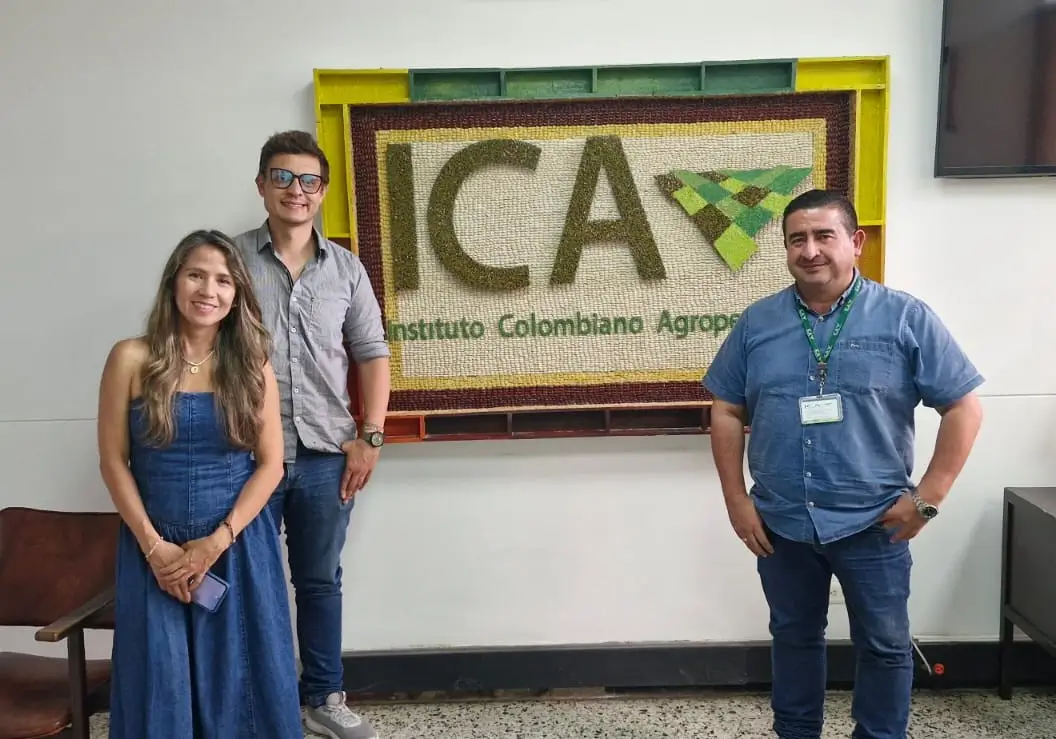
We also held meetings with CORMACARENA, GIZ Probosques, the Gobernación del Meta, and ICA. These conversations focused on transparency, exchanging territorial information, clarifying institutional mandates, and identifying possible future coordination options related to permits, forestry extension, technical training, and agricultural and livestock compliance.
Takeaway
One theme came through clearly. Many institutions have strong mandates and technical offers, but in remote and high-complexity areas their direct presence and up-to-date information can be limited. The value of these introductory meetings is that they help close that gap in a constructive way by connecting institutional programs to the realities on the ground.
For PIRI, this confirms a core strength. We are consistently present in the territory, we have access, and we can help facilitate access for others in a way that is organised, transparent, and aligned with community decisions. Over time, that combination can make technical collaboration more feasible and more effective, because it is rooted in real needs, real logistics, and real participation.