01
Project documentation
Project design document, baseline approach, safeguards, and monitoring plan are submitted to the standard's public registry.
Conservative modeling, integrated field execution, third-party verification, transparent governance, and measurable community and biodiversity outcomes, all in one system.
From project origination and financing through carbon structuring, field implementation, verification, and long-term commercialisation.
Identify participants, establish signed cooperation agreements, and build community alignment with clear rights, roles, and benefit structures from day one.
Model carbon baselines using conservative historical trends and realistic projections of economic drivers. Additionality is assessed rigorously, not optimistically.
Structure legal agreements, revenue models, and technical documentation. Build governance frameworks that meet institutional buyer expectations.
Deploy field teams for community programmes, monitoring infrastructure, local capacity building, and on-the-ground project activities every month.
Submit through third-party validation, address auditor feedback, complete verification to industry standards, and maintain public documentation.
Build buyer relationships, develop offtake agreements, and manage long-term credit infrastructure to support institutional partners at scale.
Carbon baselines determine how many credits a project can issue. We build ours from verified historical deforestation data and realistic economic drivers, not by selecting the period that produces the highest numbers.
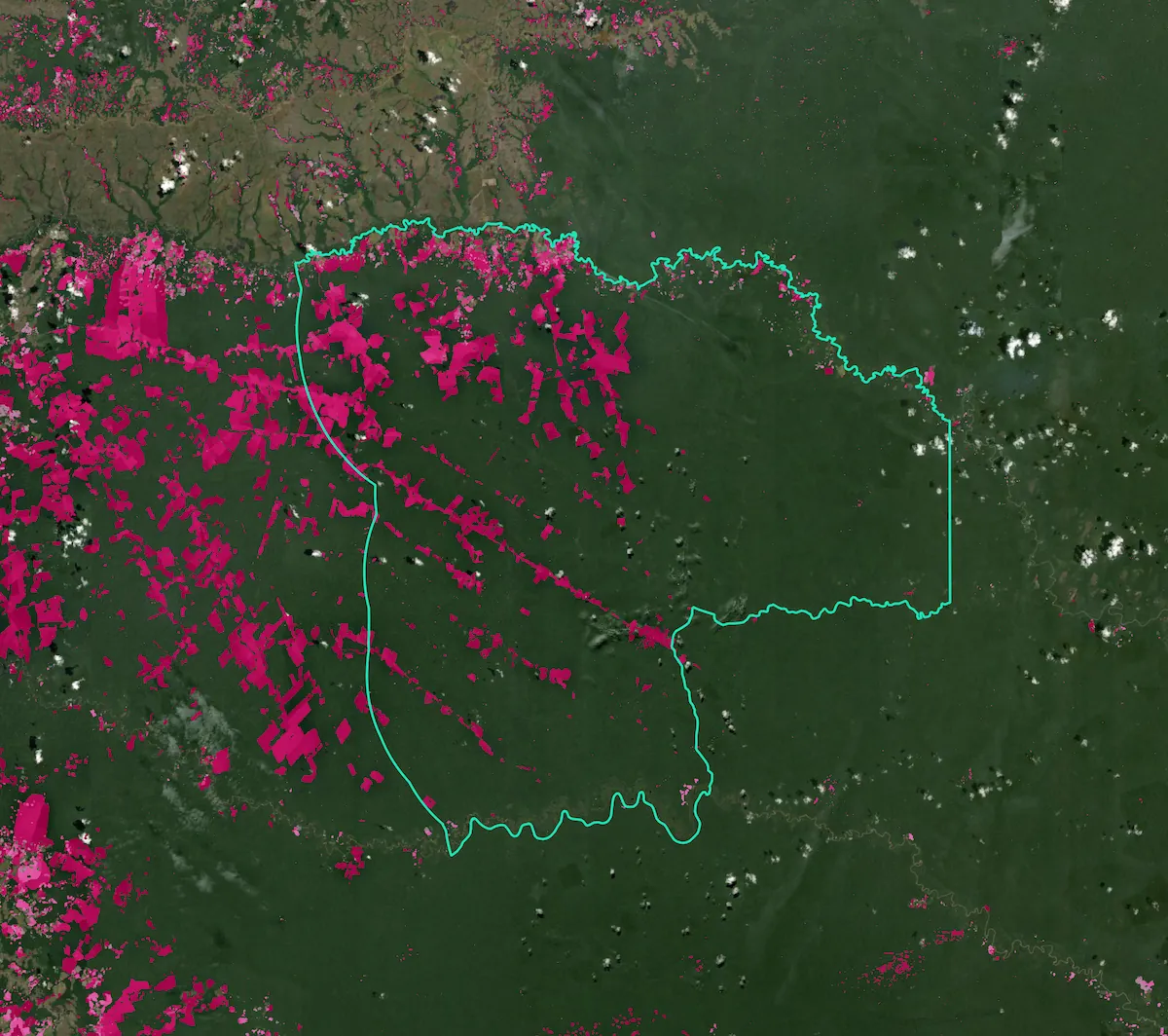
Baselines reflect documented land-use dynamics, not modelled worst cases.
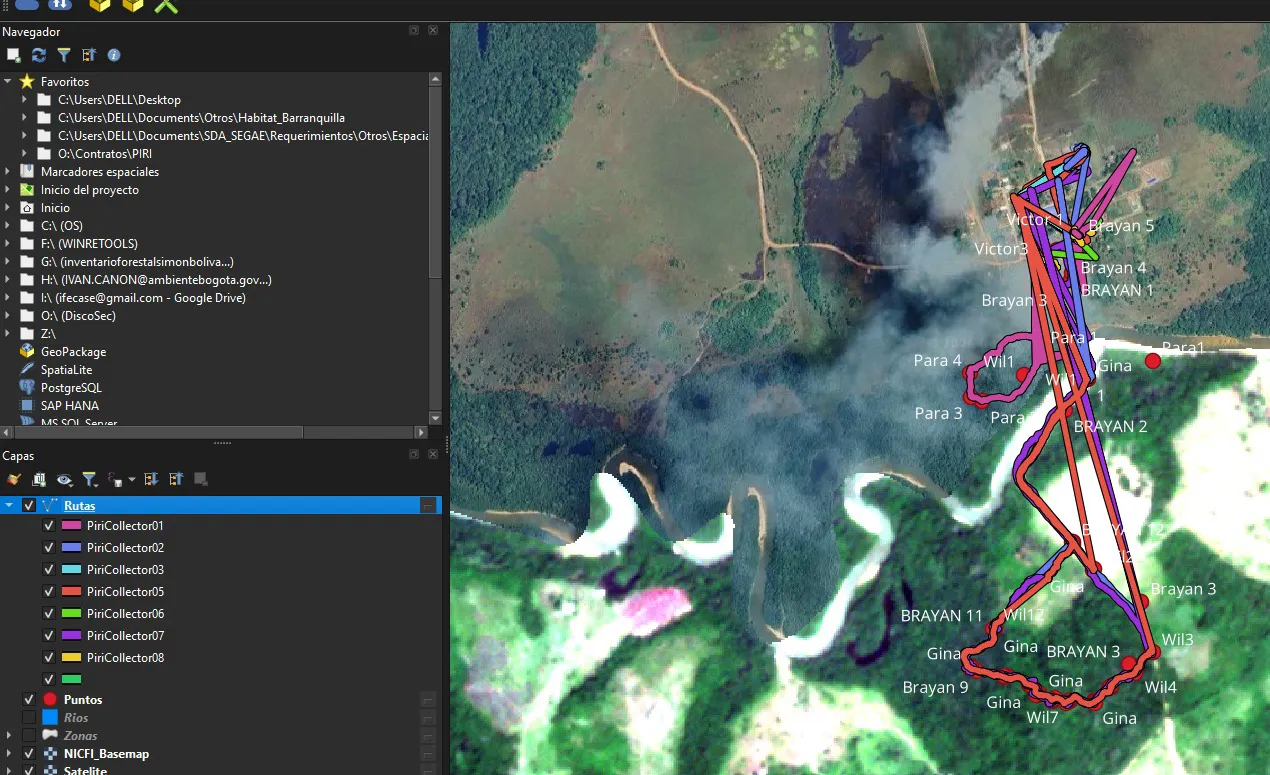
Geospatial analysis and on-the-ground validation working together to strengthen project integrity.
Satellite data detects changes. Field teams validate reality on the ground. Biodiversity and community indicators add evidence beyond carbon. Together, these components support a project that can be evaluated by serious buyers and investors.
Baseline modelling, leakage assessment, permanence planning, monitoring design, and verification coordination.
Monthly expedition reports, GPS data, training records, and on-ground monitoring from local teams.
Participation rates, benefit distributions, grievance records, and governance meeting documentation.
Carbon credits are only credible when project design, monitoring data, and emission reductions are independently assessed. Our projects are structured under reputable standards with accredited third-party validation and verification built into the issuance pathway.
Project design document, baseline approach, safeguards, and monitoring plan are submitted to the standard's public registry.
An accredited VVB independently confirms the project design meets the standard's requirements before any monitoring begins.
At each monitoring period, an accredited VVB independently verifies the emission reductions against the approved baseline.
The standard reviews the verification report and, if approved, issues the corresponding volume of carbon credits to the project registry account.
The value of a carbon standard is in its control system, public documentation, accredited VVB review, monitored evidence, and registry approval before any credit reaches the market.
Project documentation and monitoring reports are submitted through the standard's public registry.
An accredited VVB independently validates the project design and verifies emission reductions before issuance.
The standard approves credit issuance only after the VVB's verification report confirms actual emission reductions.
ICVCM independently assesses carbon standards and their approved methodologies against 10 criteria. A CCP label means both the standard and the methodology have been evaluated by a body with no commercial interest in the outcome.
A clear benefit-sharing explanation can become one of the most trust-building sections on the website.
Community Benefit Pool for approved local investments, livelihood incentives, in-kind support, and limited direct payments where appropriate.
TBV / Forestbase share for project sustainability, MRV continuity, risk buffer, working capital, capital recovery, and future NbS development.
Benefits are designed to make standing forest economically relevant over time.
Funds are deployed through formal governance processes, not ad hoc donations.
Benefit sharing is tied to continued participation, monitoring, and conservation outcomes.
Impact metrics and benefit deployment can be reported progressively alongside verification milestones.
We treat social and biodiversity outcomes as part of carbon quality, not as separate storytelling. Forest conservation must compete with land-use pressures; impact work is what makes protection economically rational long-term.
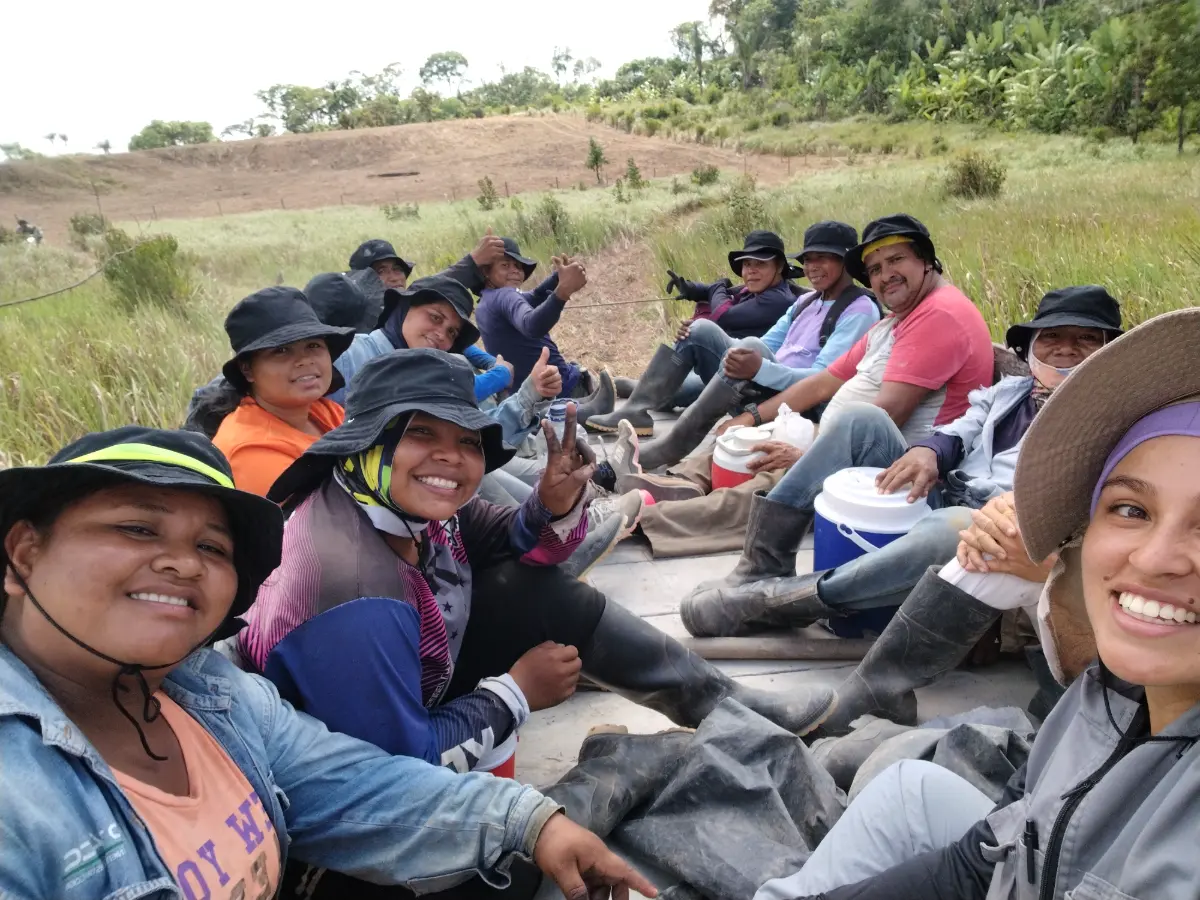
Community engagement, local employment, training, institutional bridges, and benefit-sharing plans create a stronger foundation for permanence.

Forest protection safeguards habitat. Biodiversity monitoring demonstrates value beyond carbon accounting.
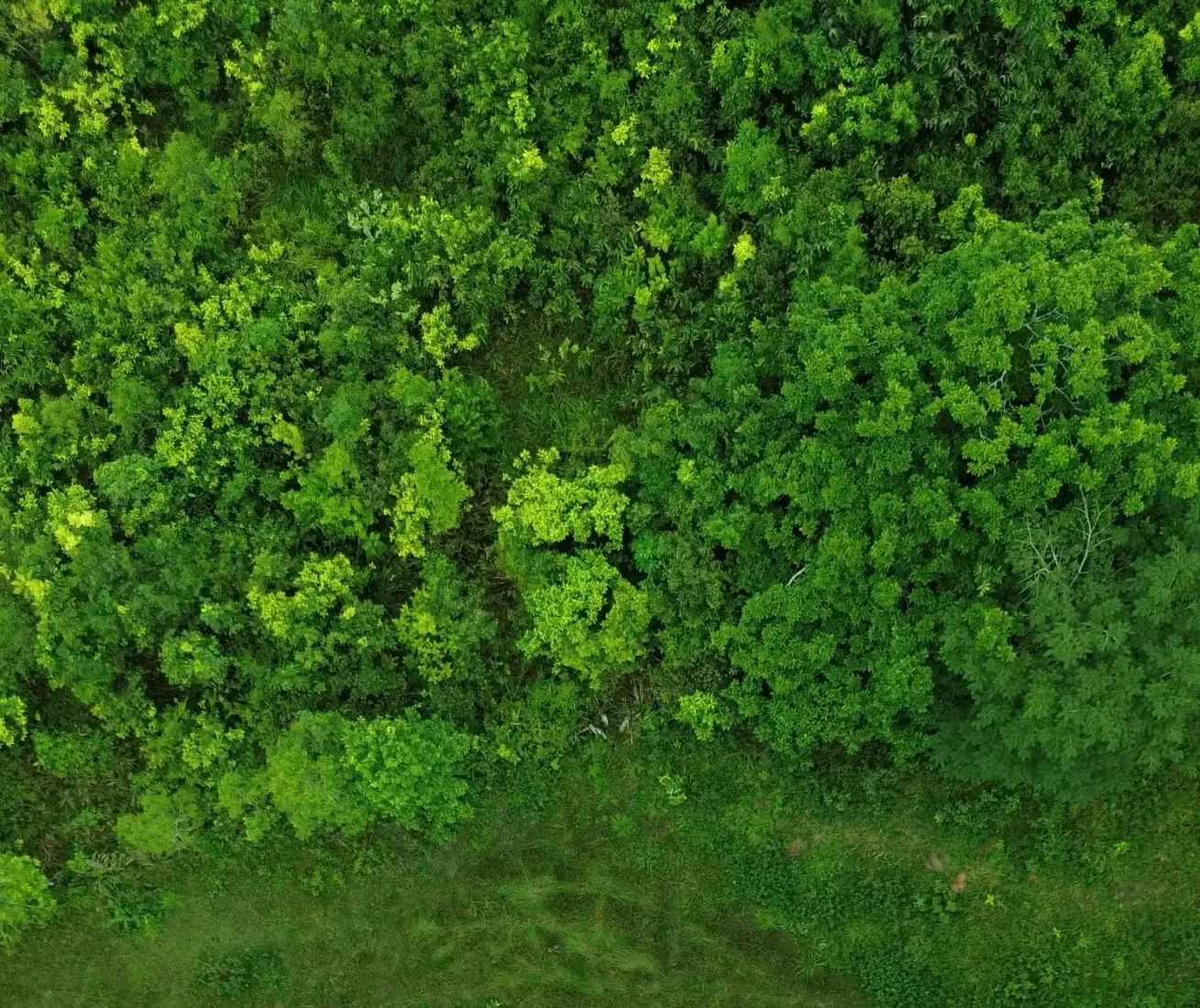
REDD+ avoids emissions from deforestation. Restoration can increase carbon removals where implementation conditions support credible outcomes.
The purpose of impact work is not to decorate the project. It reduces social risk, supports permanence, strengthens monitoring, and ensures the people closest to the forest participate in the value generated by protecting it.
Investors and buyers should be able to see what has happened, what is planned, what is measured, and what remains subject to validation, feasibility, and community approval.
Projects adhere to recognised community engagement standards, benefit sharing, and conflict mediation frameworks.
Communities voluntarily participate with full information about project terms and implications, documented through consultation and FPIC processes.
Formal complaint submission, required response timelines, independent review where disputes persist, and records of grievances and resolutions.
Revenue-sharing agreements, financial reporting commitments, and operational requirements are shared with communities and reflected in project documentation.
Review project documentation, baseline models, and verification progress through our active project work.