After more than 1.5 years of fieldwork, community engagement, and project preparation, we are now ready to formally introduce PIRI as a carbon project. Significant groundwork has already been completed: relationships have been built, trust has been established, and the project has been shaped together with local stakeholders in the territory.
Presenting the PIRI REDD project
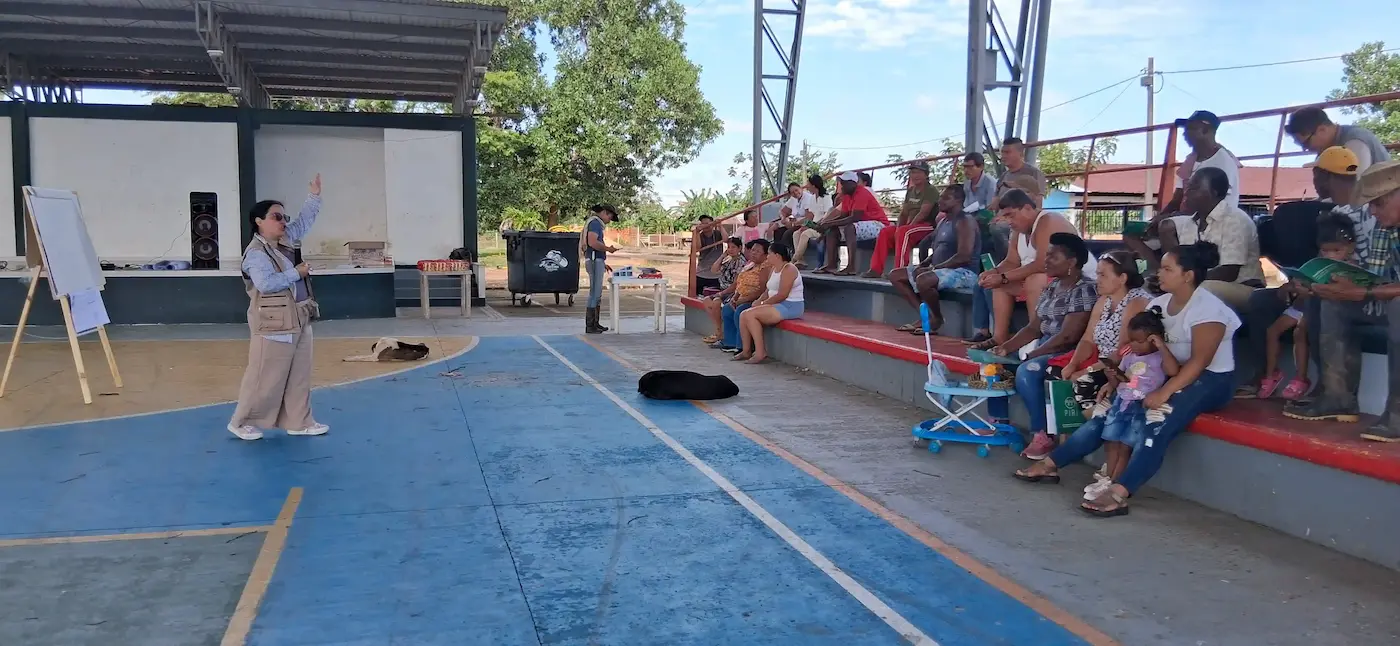
This expedition was designed to solidify the foundations of our partnership with the local community and initiate FPIC processes. Together with the Juntas de Acción Comunal (JACs), our team initially held an informational meeting in the local community on the ins and outs of REDD+.
In Colombia, Juntas de Acción Comunal (JACs) are legally recognized community organizations that represent local residents at the neighborhood or rural community level. They help organize collective action, communicate community needs to authorities, and coordinate local development initiatives such as infrastructure, education, environmental projects, and conflict resolution.
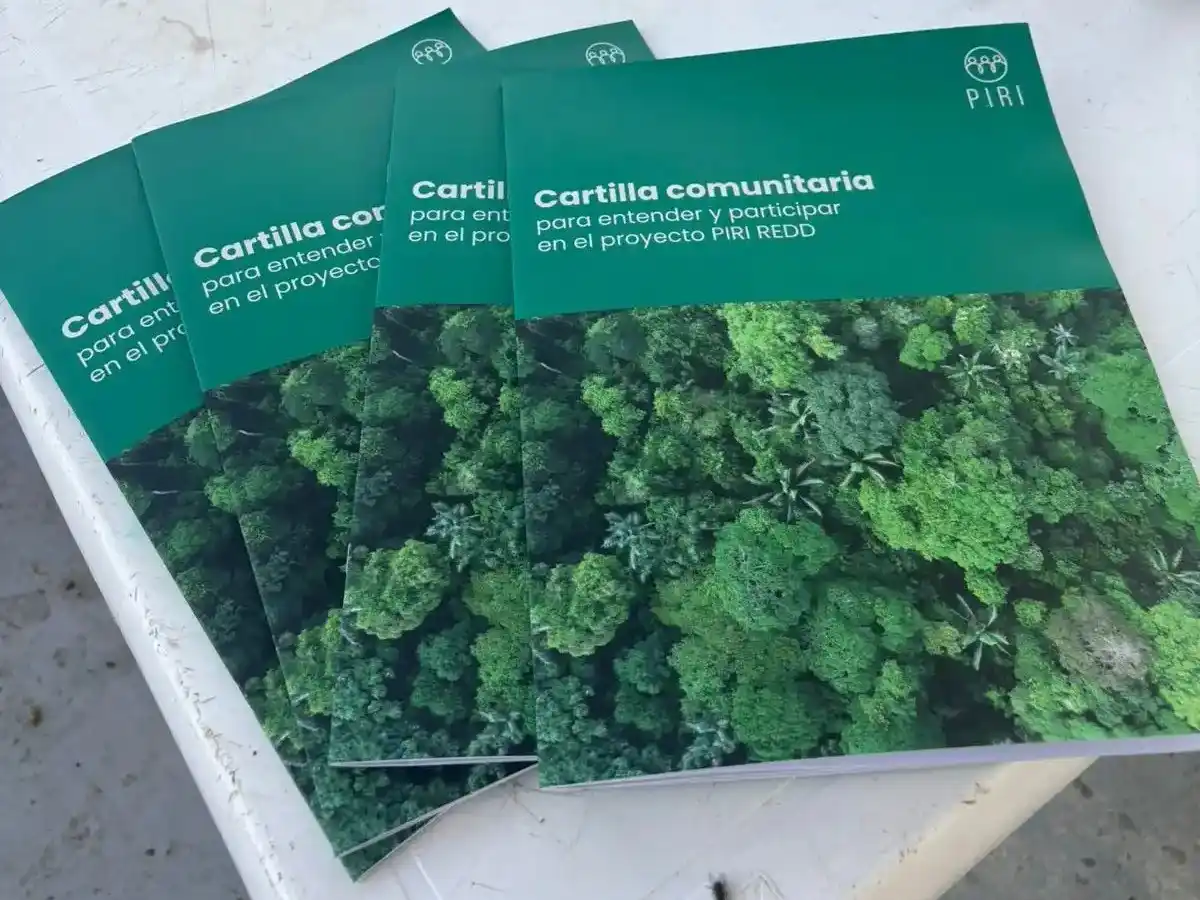
The main goal here was to help community members understand the mechanisms in a REDD project, clarifying the link between deforestation and the voluntary carbon market, benefit-sharing, collective decision-making, etc. Each participant received a community booklet to take home, which detailed these complex mechanisms. We started with information sharing for a simple reason: a REDD+ project only works when people can make informed decisions. Before maps, monitoring, or agreements, we need a shared understanding of what REDD+ is, what it is not, and what participating actually implies. Taking time to explain the mechanisms, roles, and expectations early on helps prevent confusion later, builds trust, and creates a foundation for collaboration that can last for years.
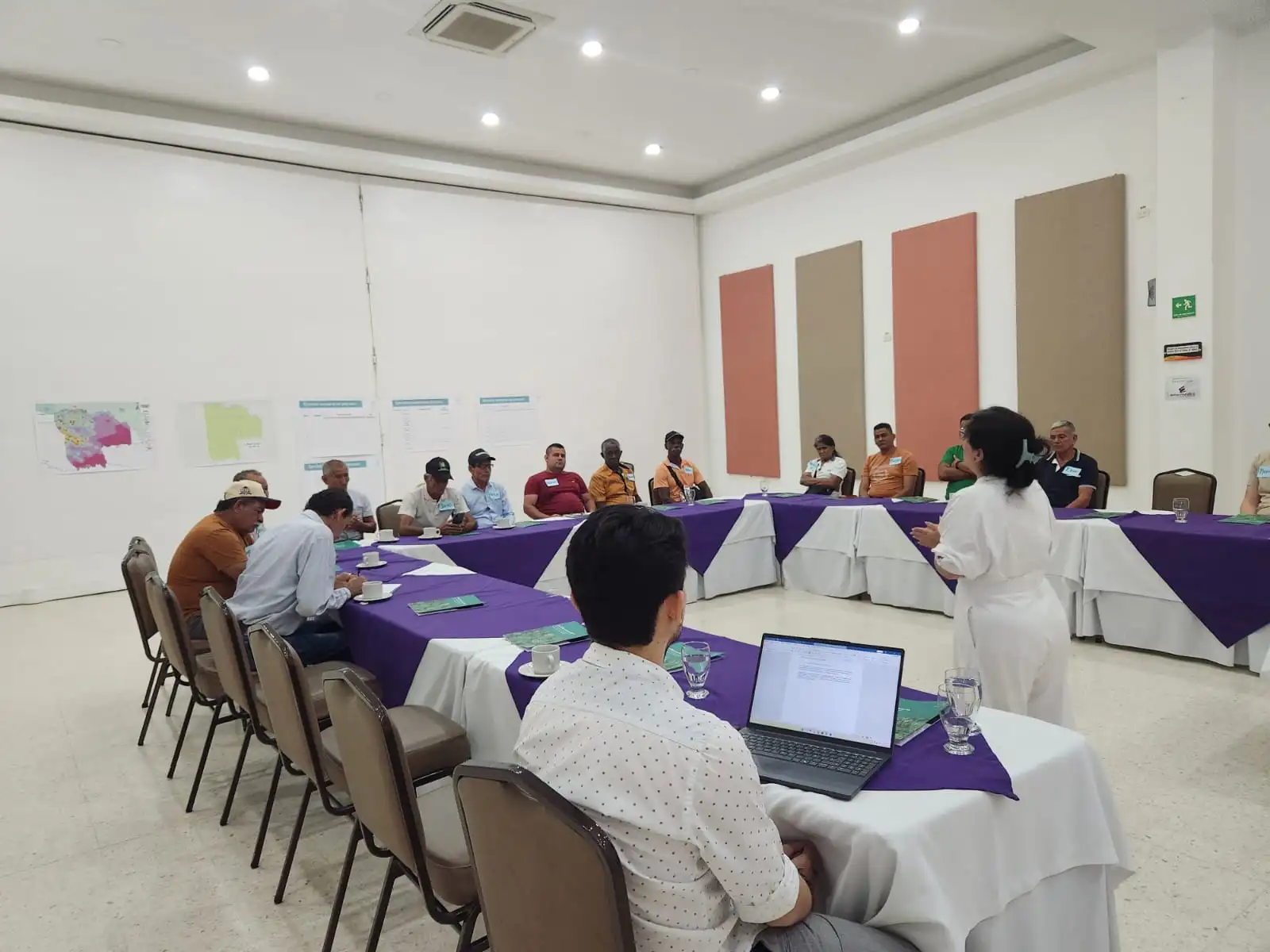
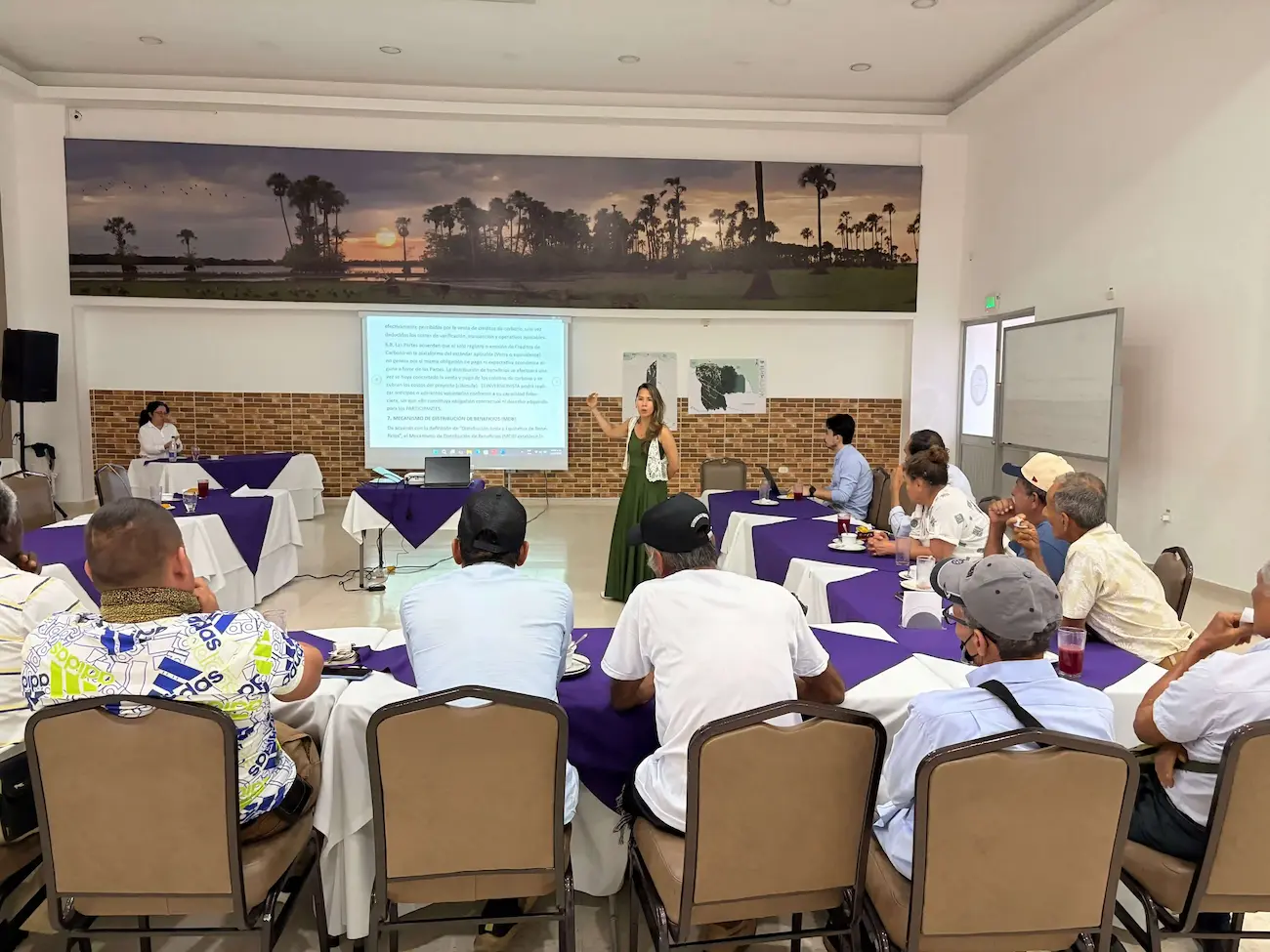
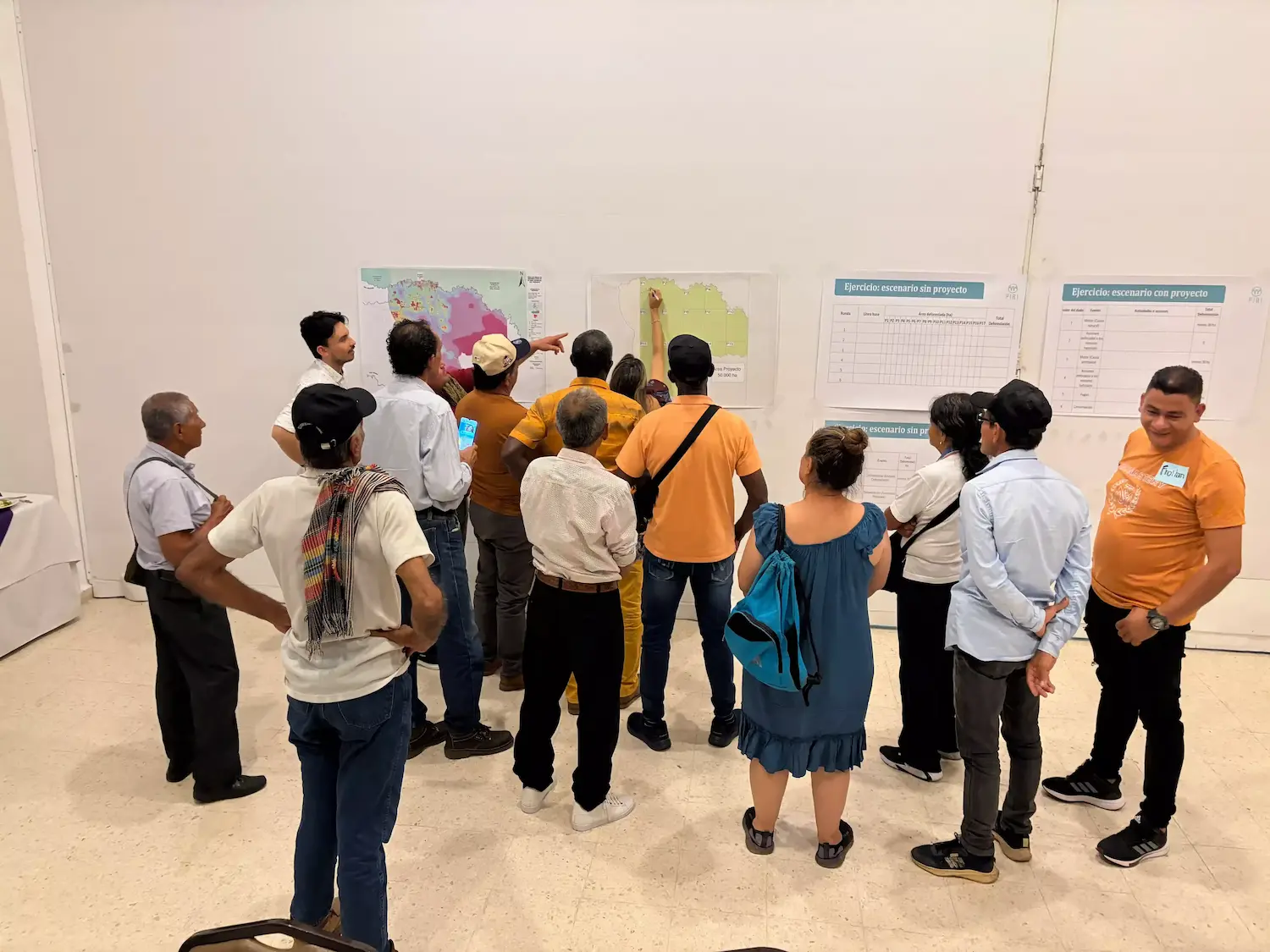
Meeting in Villavicencio
In a second instance, some of the community members that showed the strongest interest were invited to Villavicencio to start discussing some first foundations of the project. There meetings were spread over two days, a lot of people were taking pictures and videos to discuss with friends and family back home.
Community booklet - PIRI REDD project
The booklet was created as a practical tool to help the community make informed decisions and participate actively. It introduces key topics such as climate change, deforestation, and carbon credits.
- What are REDD & Carbon projects?
- How do forests store and protect carbon?
- What are the long-term benefits of joining a proejct?
- What are safeguards, transparency & grievance mechanisms?
One of the first questions we hear is: “How much money will a family receive for participating in the REDD+ project?” It is a fair question, and the honest answer in the early stages is that there is not a fixed number yet. The right figure cannot come from a guess. It emerges through a process where technical planning, local knowledge, and the financial reality come together. How much families ultimately receive depends on the efficiency of project activities, the real changes achieved on the ground, and the project’s ability to reduce or avoid CO₂ emissions. Just as importantly, it depends on how trust and collaboration grow between the project team and local communities. When that collaboration is strong, benefits go beyond direct payments and can include better welfare, long-term jobs, stronger land stewardship, and a legacy for the next generation.
Takeaway
This expedition marked the beginning of turning REDD+ from a concept into a real conversation with the community. Before technical studies or carbon calculations, there needs to be understanding, transparency, and trust.
Community members engaged critically with the process, asking questions about benefits, responsibilities, and long-term impacts. This dialogue also led to an important milestone: the first community agreements to protect the forest were signed, laying the foundation for a broader long-term conservation effort in the region.
For PIRI, this confirmed that building a REDD+ project is not only a technical process, but also a long-term social process built together with local communities and the JACs.